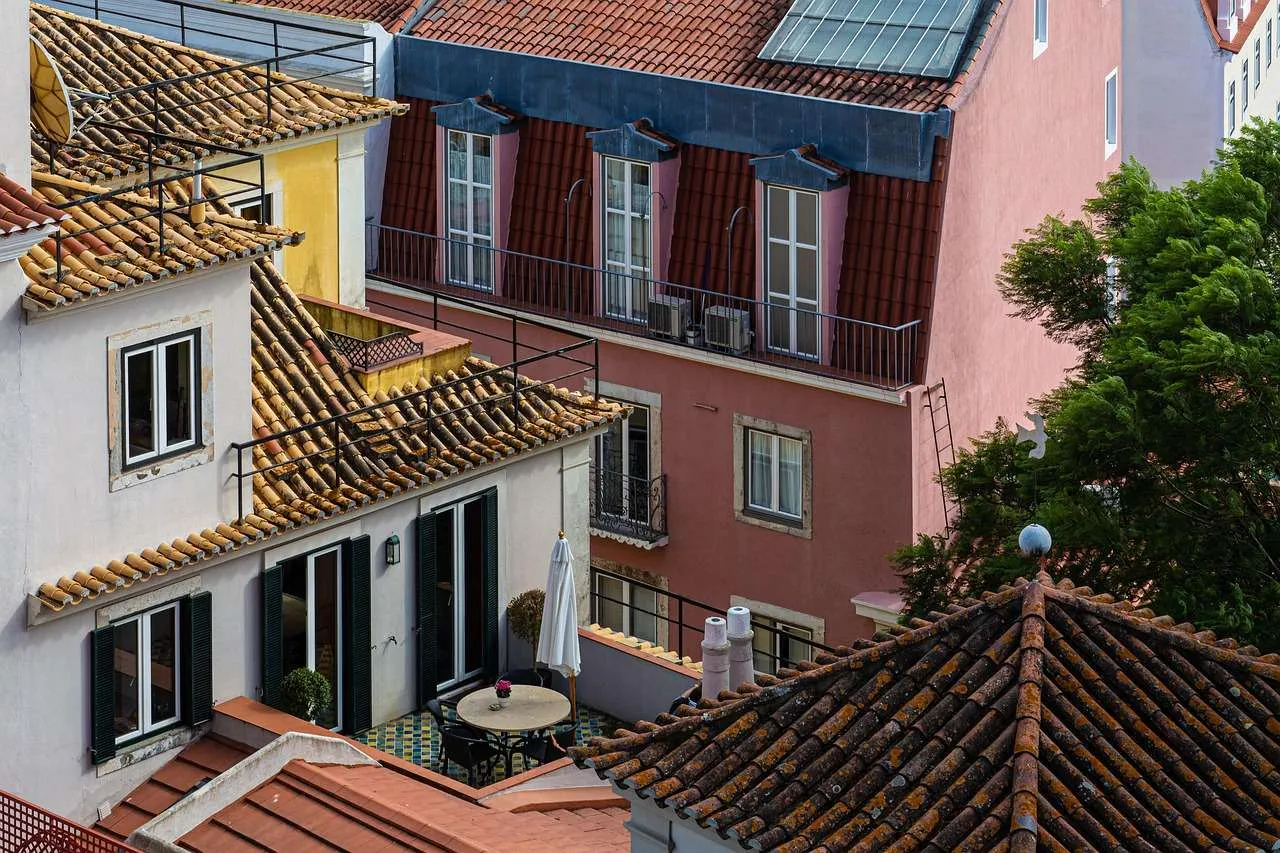
Repair of Roofing: Expert Guide

Introduction: Why repair of roofing matters
Repair of roofing is a cornerstone of home protection, affecting livability, energy efficiency, and the long-term value of your property. This guide is designed to help homeowners understand when repairs are needed, what methods work best, how much they typically cost, safety considerations, and how to choose trustworthy professionals. By combining practical insights with step-by-step guidance, the article aligns with EEAT principles—demonstrating experience, expertise, authoritativeness, and trustworthiness.
When does roof repair become necessary?
Roofs reveal trouble through visible leaks, staining on ceilings after rain, or damp insulation in the attic. Other signs include curled or missing shingles, granule buildup in gutters, and nighttime drips or sounds during windstorms. Regular inspections—ideally twice a year and after severe weather—help detect issues before structural damage occurs.
Common causes of roof damage
- Weather events: hail, heavy rain, snow load, and high winds
- Age and wear: asphalt shingles commonly last 20–30 years; others may have shorter or longer lifespans
- Ventilation and moisture: poor attic ventilation can cause condensation and wood rot
- Physical damage: fallen branches, foot traffic, or improper prior repairs
Repair options and techniques
Most repairs fall into three categories: minor fixes for small leaks, targeted replacements for damaged components, and larger repairs that address underlying problems such as flashing or underlayment. In many cases, a permanent solution combines replacing damaged shingles, resealing flashing, and ensuring proper ventilation.
Shingle replacement
Replacing damaged shingles restores protective coverage. The process includes matching shingles, removing the damaged piece, and sealing the new shingle into place so it sits flush with surrounding rows. Exact color and texture matching improves curb appeal and roof performance.
Flashing and attic sealing
Flashing around chimneys, vents, skylights, and Valleys directs water away from joints. Damaged flashing should be lifted, cleaned, resealed, or replaced to prevent leaks from advancing to the roof deck.
Underlayment and deck considerations
Older roofs may require attention to the underlayment. If the roof deck shows rot or moisture intrusion, simply replacing shingles may not solve the problem. In some cases, partial or full underlayment replacement is necessary for a lasting repair.
Cost considerations and practical tips
Cost varies by material, the extent of damage, roof size, and local labor rates. Minor repairs may cost a few hundred dollars, while extensive shingle replacement or flashing work can reach into the thousands. Always obtain written estimates and clarify what is included (materials, labor, disposal, permits) before work begins.
| Repair Type | Typical Cost Range | Pros | Cons |
|---|---|---|---|
| Minor leak seal/patch | $100–$300 | Quick fix, minimal disruption | Temporary; may recur |
| Shingle replacement | $300–$1,000 per roof section | Restores protection; long-lasting | Requires exact match; labor-intensive |
| Flashing repair | $150–$600 | Prevents water intrusion at critical joints | Occasionally needs broader area repair |
| Full roof patch/extended repair | $1,000–$4,000 | Addresses multiple issues at once | Higher cost and more disruption |
DIY vs professional repair: safety and quality
For safety, warranty protection, and quality results, most roof repairs are best handled by trained professionals. Homeowners can manage light maintenance, gutter cleaning, or debris removal, but working on a roof carries fall risks. Always use fall protection, follow manufacturer instructions for sealants, and avoid delaying chronic issues that could worsen with time.
Choosing a contractor you can trust
To meet EEAT standards, prioritize contractors who demonstrate experience, credentials, and reliable service. Helpful steps include:
- Verify licenses and insurance; request certificates and a written scope of work.
- Ask for references and inspect prior projects or portfolio photos.
- Confirm manufacturer and labor warranties; understand what is covered and for how long.
- Get multiple written estimates and compare inclusions, timelines, and cleanup plans.
Maintenance tips to extend roof life
- Keep branches away from the roof to prevent physical damage and clogged gutters.
- Clean gutters regularly to avoid water back-up and ice dam formation.
- Schedule periodic professional inspections, especially after severe weather.
- Ensure attic ventilation is adequate to reduce condensation and heat buildup.
Regular maintenance reduces repair frequency and supports long-term performance. A well-installed roof with periodic care provides better energy efficiency and value for your home.
Conclusion, repairing the roof requires a proactive approach, professional expertise when needed, and ongoing care to protect the home. By recognizing signs early, choosing qualified contractors, and following maintenance practices, homeowners can ensure safety, value, and durability of their roofing investment.