Window Tint for Home: Comfort, Privacy & Savings
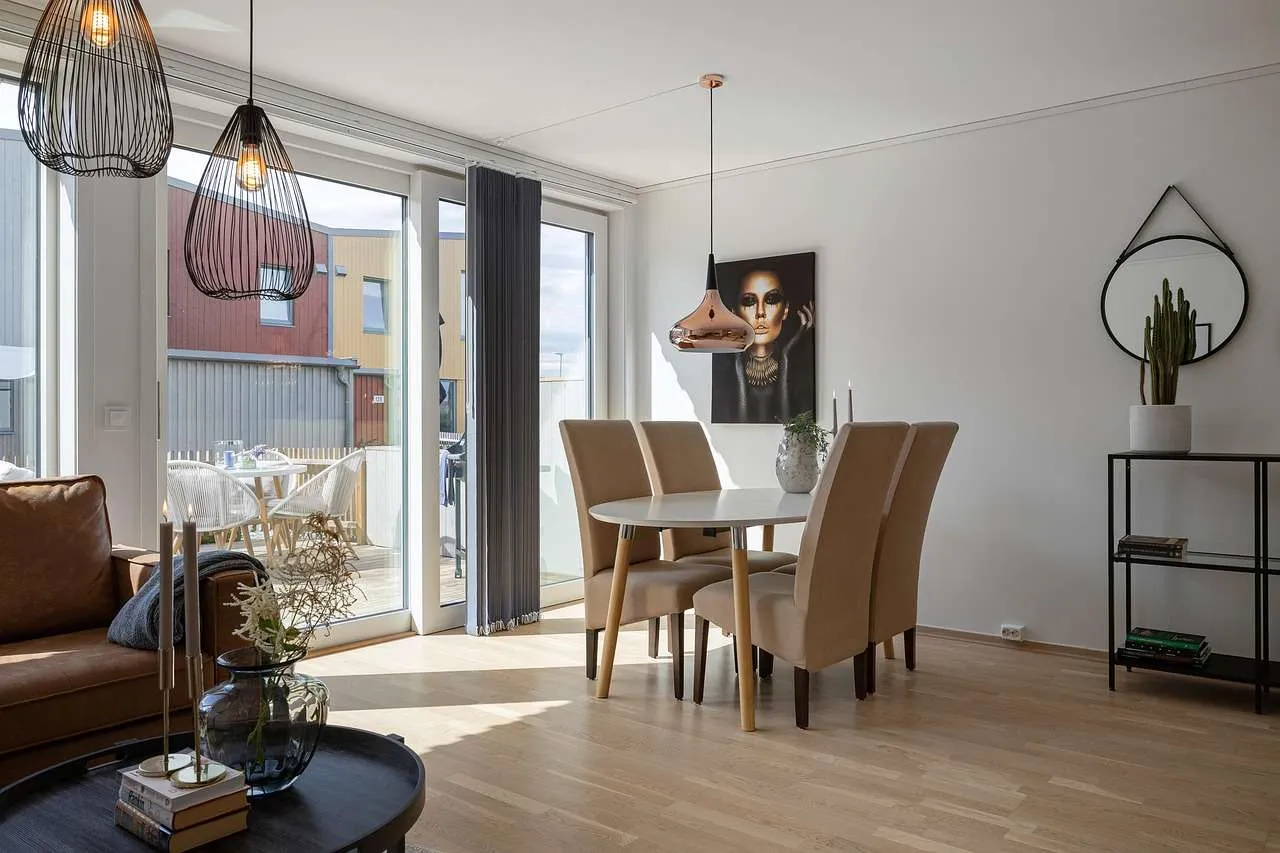
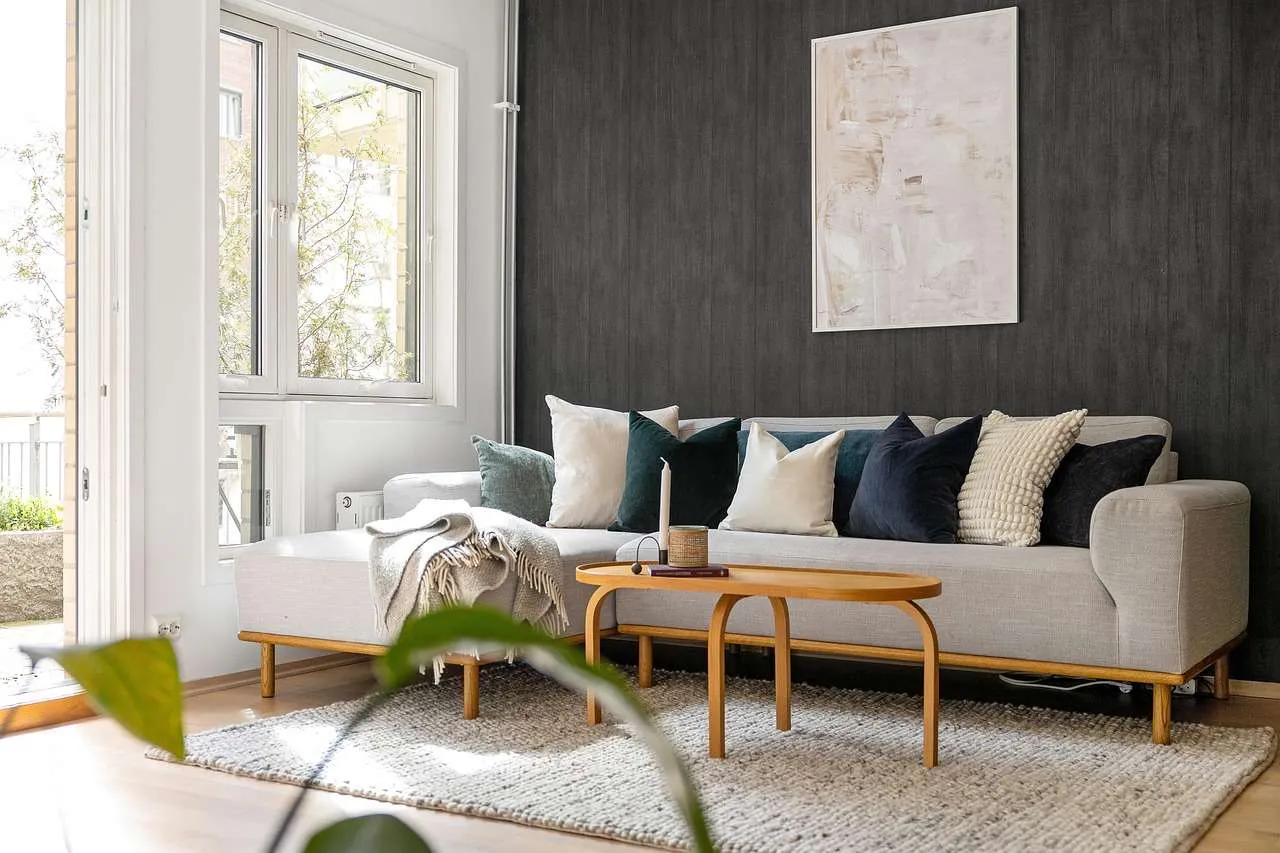
Window tint for home is a practical upgrade that protects interiors, improves comfort, and can lower energy costs. As homeowners seek evidence-based solutions, it’s essential to understand how film works, what options exist, and how to choose a reputable installer. This guide emphasizes Experience, Expertise, Authority, and Trust to help you make an informed decision.
Benefits of window tint for home
Window films block ultraviolet rays to protect furnishings from fading, reduce heat gain, and lower glare on screens. High-quality films can block a large portion of UV exposure and significantly cut infrared heat, which translates to more comfortable rooms and less strain on cooling systems. The exact savings depend on climate, window orientation, and film type, but many homeowners notice more even temperatures and slower furniture fading over time.
How window tint works
Window films are thin laminates applied to the interior surface of glass. They filter ultraviolet light, reflect or absorb infrared radiation, and control visible light transmission. By selecting a film with an appropriate VLT (visible light transmission), you strike a balance between daylight and privacy. Higher-quality ceramic or non-metallic films tend to preserve color clarity and resist discoloration over time.
Types of window tint for home
Ceramic window tint
Non-conductive, color-stable, and excellent heat rejection with minimal interference to electronics. Pros: preserves screen brightness and signals; Cons: higher upfront cost.
Metalized and metallic-dyed tint
Reflects solar energy using metal particles, improving heat reduction but potentially causing slight glare and, in some cases, electronics interference. Pros: strong heat rejection; Cons: possible glare and signal issues.
Dyed window tint
Layer of dye to reduce glare and heat; less durable than ceramic or metalized options. Pros: budget-friendly; Cons: may fade or discolor over time.
Composite and dual-action films
Multiple layers designed for UV protection and heat control, offering a balanced performance. Pros: versatile; Cons: mid-range durability and performance.
Low-E films
Vacuum-coated micro-thin layers that optimize energy efficiency; often used in new construction or retrofit projects. Pros: notable energy savings; Cons: must be installed correctly to avoid edge issues.
Factors to consider when choosing window tint
Key considerations include UV protection, heat rejection, glare reduction, privacy needs, daylight quality, and local regulations. Also weigh window size and orientation, glass type, and whether you value exterior views or interior brightness. For large or multi-pane windows, a ceramic or Low-E film often provides the best balance of comfort and durability.
Installation options and costs
Professional installation by trained technicians ensures a clean, bubble-free finish and a warranty. DIY kits are available, but improper application can lead to bubbles, edge lifting, or voided warranties. Typical professional pricing ranges from a per-square-foot rate depending on film type and complexity. Larger or architectural windows, curved panes, or historic homes may increase costs. Plan for both film and installation to compare with potential energy savings over time.
Maintenance, safety, and regulations
Maintain films with soft cloths and non-ammonia cleaners to avoid damage. Avoid abrasive tools. Window tint can add shatter resistance, but it should not be relied upon as the sole security measure. Regulations vary by location, and some areas restrict tint darkness on front-side windows or require clear visibility for safety. Always check local laws and work with a certified installer who can provide documentation of film specifications and warranty.
Choosing a reputable installer
Look for licensed, insured professionals with residential tinting experience. Request before-and-after photos, references, and a warranty covering both film and installation. Check certifications, industry affiliations, and transparent pricing. A credible installer should explain UV/IR benefits, provide a written estimate with exact film type, VLT, and warranty details, and offer follow-up service if issues arise.
Comparison table: common window tint types
| Film Type | UV Protection | Heat Rejection | Privacy/Glare | Durability | Pros | Cons | Typical Cost |
|---|---|---|---|---|---|---|---|
| Ceramic | Very high | Excellent | Good to high | Excellent | Color-stable, keeps brightness | Higher upfront cost | $6–$12 per ft2 |
| Metallic | High | Very good | Moderate glare | Good | Strong heat rejection | Possible glare, signal interference | $5–$10 per ft2 |
| Dyed | Moderate | Moderate | Moderate privacy | Fair | Budget-friendly | Can fade over time | $3–$6 per ft2 |
| Low-E | Very high | Excellent | Good | Excellent | Energy savings | Requires careful installation | $7–$12 per ft2 |
Conclusion
Summary, window tint for home offers comfort, protection, privacy, and energy savings. By selecting the right film, hiring a reputable installer, and maintaining the film properly, you can maximize its long-term value for your home.